
The production of the most commonly applied tablet final dosage form requires the improvement of the starting powder flowability. This can be achieved by increasing particle size via granulation, resulting in a powder blend with good flowability and tabletability. Several process variants are known in the literature, like that wet, dry and melt granulation.
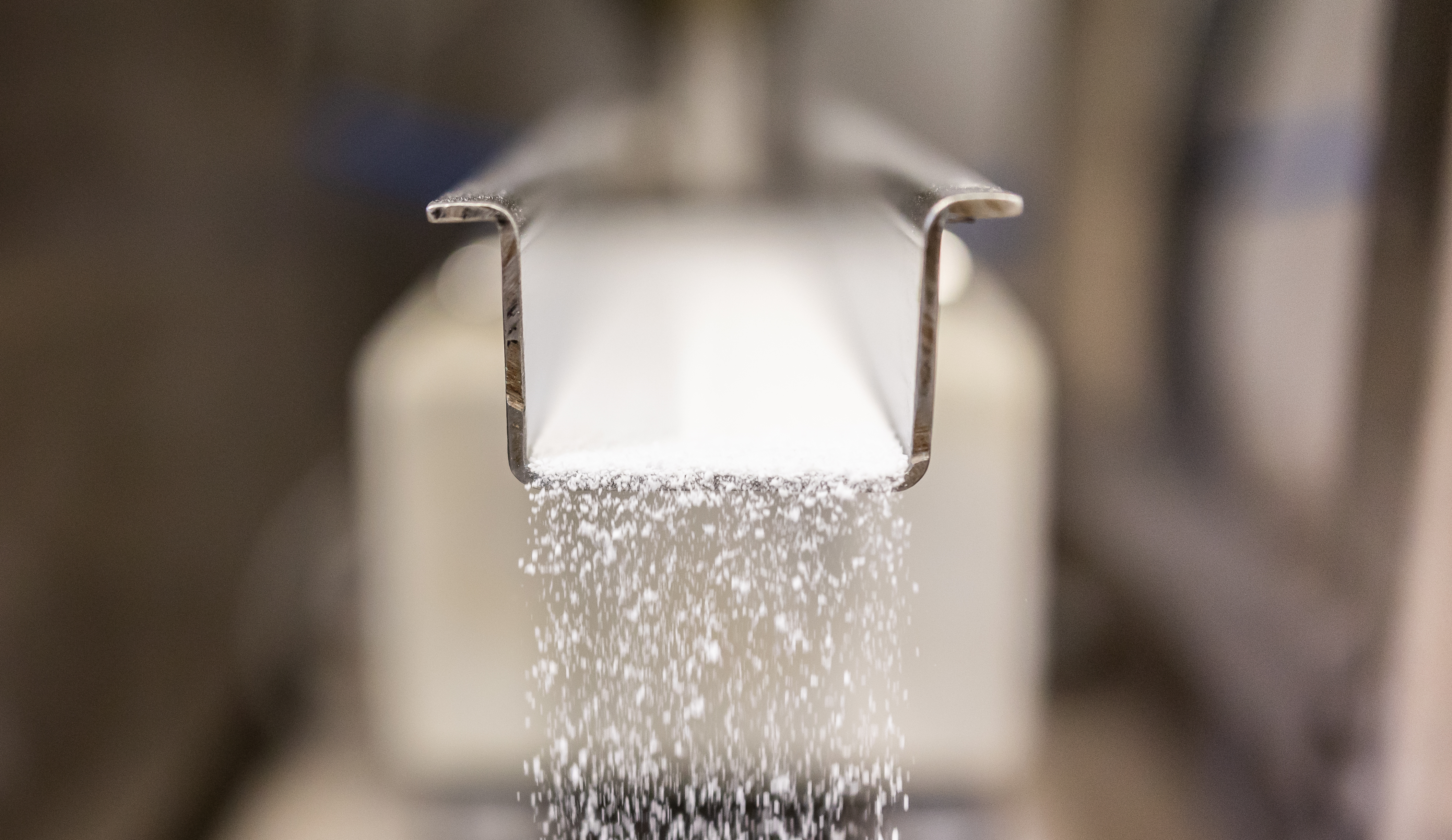
Wet granulation – when a granulating liquid is applied to stick the small particles together – is a popular variant of the process due to the very good controllability and repeatability. Executing wet granulation in a continuous manner is a relatively new topic in the pharmaceutical industry, mostly utilizing twin-screw equipment. This process is usually followed by drying and milling steps before tableting.
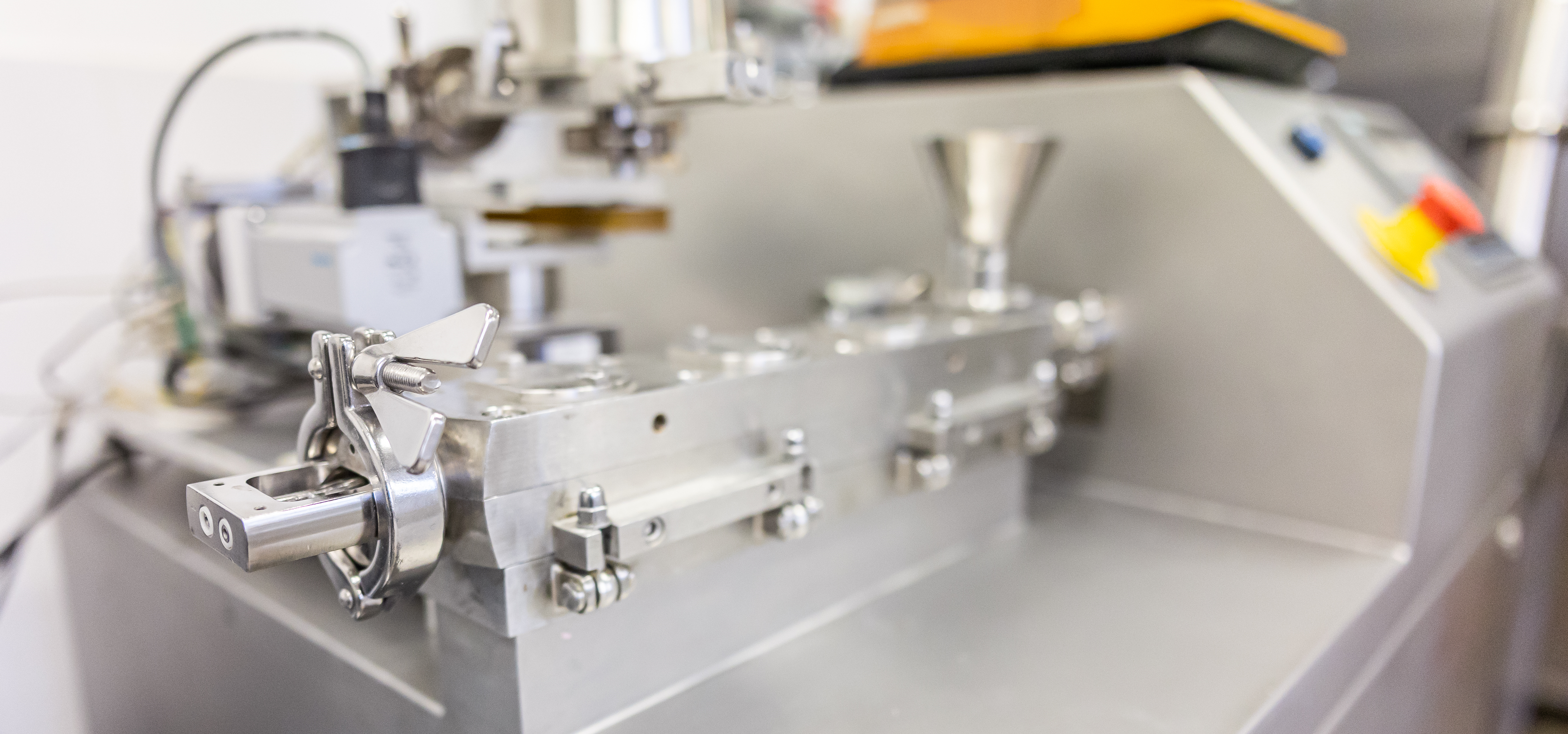
Besides wet granulation, the continuous twin-screw apparatus can be suitable to perform melt granulation as well. This is an emerging technology utilizing low melting point binders during the process, which begins to gain the attention of big pharmaceutical companies too (e.g. Novartis already has a melt-granulated product for the treatment of HIV). This way moisture-sensitive materials can be formulated, and even amorphous solid dispersions can be produced, which are promising drug delivery systems for compounds with poor water solubility.